Emergency Dentist — DeSoto, TX
Same Day Appointments Welcome at Amaze Dental!
If a tooth is damaged, whether it’s through tooth decay, a bad fall or sporting injury, is your first thought to visit an emergency room or a dentist? Turns out, thousands of people every year visit the ER for an issue that many hospital staff are either not qualified or even allowed to treat. When a bad toothache develops, the enamel is chipped, or a tooth is knocked out, the first thing you should do is call our dental office for emergency dentistry in DeSoto. We’re more than happy to help, even if it’s your first time visiting Dr. Suzanne NajjarDr. Suzanne Najjar and her team!
Why Choose Amaze Dental for Emergency Dentistry?
- Same Day Visits Welcome
- New Patients Can Expect Emergency Treatment
- Implant Placement Available for Knocked-Out Teeth
How We Treat Dental Emergencies
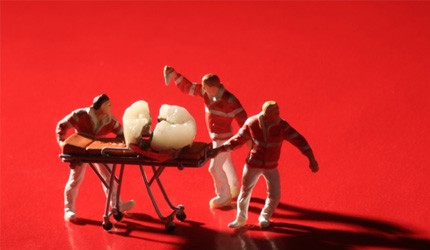
Perhaps you don’t know what to expect from an emergency dental visit. Well, our office will see you quickly in order to deal with your oral troubles. To that end, treatment will consist of:
- • A Same-day Appointment – Once you’ve contacted us, our team will book you for the earliest available appointment – often on the same day you called. We’ll also give you personalized first-aid tips over the phone.
- • An Emergency Exam: Right after you arrive for your visit, we’ll perform a quick oral exam and capture the necessary X-rays. That way, we can assess the extent and source of your problem. (Of course, this process will also eliminate your most immediate and severe pain.)
- • A Review of Findings: Following the exam, Dr. Najjar will review her findings with you and suggest recommended procedures. Taking your input into account, she’ll also devise a custom treatment plan that includes the estimated price and timeline.
- • Needed Care: Either at the initial visit or a follow-up, our experienced team will act quickly to address your oral issues and get your oral health in order. This process could involve a filling, crown, root canal therapy, or something else entirely.
The Most Common Dental Emergencies
Naturally, the first thing to do in an urgent dental situation is contact your emergency dentist in DeSoto. That said, a dental practice may not be able to see you immediately. Should that happen, then, here are some tips for dealing with common dental emergencies:
Understanding the Cost of Dental Emergencies

Determining the cost of emergency dentistry in DeSoto starts by confirming your problem’s nature. Your issue could range from a simple ache or tooth decay to an oral infection. Such things have their own unique costs, with infections generally more expensive than a root canal and filling. Even if you only have a toothache, though, we encourage you to visit. Amaze Dental will provide your urgent care and maximize your insurance benefits. We’ll also work to ensure you save on out-of-pocket expenses if you need emergency treatment.
Every Dental Emergency is Different
You’ll be happy to know that should you require an emergency dental visit, it will not be as costly as you might expect. At Amaze Dental, for just $20, you can get an emergency exam and X-ray completed and confirm exactly what needs to be done! Waiting to see if your dental injury will either go away on its own or until you have the funds to seek professional help is never a good idea, as it will only get worse over time. Our team will sit down to discuss your treatment options once we have a clear understanding of the cause of your dental emergency and how it should be addressed.
The most common methods of treatment usually include antibiotics, a dental filling, a dental crown, root canal therapy, periodontal therapy, or tooth extraction.
Does Dental Insurance Cover Dental Emergencies?
It is possible to receive one emergency exam covered by your dental insurance company each year, but you’ll need to review your policy first. Not all plans are the same. You should also know that depending on the type of treatment you will need, your insurance carrier may agree to pay anywhere from 50-80% of the price once you’ve met your deductible. While knowing which treatments are covered and how to maximize your benefits can be overwhelming, our dental team is here to make sure you have all the necessary information to get the most out of your policy while also taking care of your smile.
Other Options for Making Dental Emergencies Affordable
At Amaze Dental, we are also close partners with Medicaid, CHIP, and CareCredit. If you and your children are enrolled in Medicaid CHIP, it is possible to receive coverage for many of the most common forms of treatment. Also, if you need another form of care and do not receive Medicaid or CHIP, you can enroll in a low or zero interest payment plan with CareCredit. This will allow you to break up the cost of your treatment into manageable monthly installments.
Taking Care of Your Smile Can Save You Money
Your emergency dentist in DeSoto understands not all dental emergencies are completely avoidable. However, when a nagging toothache or serious infection develops, you shouldn’t wait to see us. If you do, you’ll be at risk for more complex, costly, and timely procedures. These are the types of dental emergencies that can be avoided. How? Apart from maintaining good oral hygiene practices at home and continuing to see your dentist every six months for regular checkups and cleanings, you should also be mindful of what you’re eating, how you’re protecting your smile, and giving up any bad habits that may negatively impact your smile.
By seeking professional care the moment you discover a problem, you’ll be more likely to pay less for the services you receive.
How to Prevent Dental Emergencies
While not every dental emergency is avoidable, there are steps you can take to prevent one from happening. After all, it’s best to avoid these scenarios in the first place. Luckily, we at Amaze Dental believe smile safety facts can spare you a trip to the emergency dentist. That being said, practice the tips below so your grin stays protected. Your teeth and gums will thank you for it!
Visit Your Dentist Regularly
It’s incredibly important that you visit your dentist every six months for a checkup and cleaning. By investing in routine dental appointments, you can catch problems early on and address them before they turn into complications. At every checkup, our team at Amaze Dental will conduct a thorough oral examination to spot issues long before you would’ve noticed them on your own. That way, we can keep them from worsening and resulting in a painful incident.
Maintain Good Oral Hygiene at Home
Believe it or not, most dental emergencies are the result of decay that’s gradually worsened over time. Fortunately, you can keep your teeth and gums in their very best shape by following a solid at-home dental care routine. Brushing your teeth twice a day, flossing daily, and rinsing with an antiseptic mouthwash are essential everyday practices. Not only can they minimize plaque buildup, but they’ll ward off oral health problems that could cost you a trip to our emergency dentist in Desoto.
Stick to a Nutritious Diet
It may surprise you to learn that your diet has a significant impact on oral health. Overindulging in sugary, starchy, or acidic foods can damage your smile because they promote the accumulation of harmful bacteria. Meanwhile, eating healthy foods can significantly reduce your risk of extensive decay, gum disease, and other infections. That’s why it’s best to stick to a nutritious diet full of fruits, vegetables, whole grains, lean proteins, and dairy products.
Wear a Mouthguard
Do you regularly play sports or grind your teeth at night? If so, ask our team about a custom-made oral device. You can wear an athletic mouthguard to protect your pearly whites against impact or wear a night guard to keep your enamel from wearing down at night.
Don’t Use Your Teeth as Tools
If you can’t open a bottle or rip open a package with your hands, you may be tempted to use your teeth instead. Well, using your pearly whites for anything other than chewing food can easily result in a dental emergency. To keep your smile safe, you should take the time to grab the right tool or ask someone to lend you a helping hand.
Emergency Dentistry FAQs
How Do I Know if I Have a True Dental Emergency?
Understandably, no one wants to schedule a dental appointment unless they really have to. Here are some signs that you’re having a true emergency and should call us right away:
- You have bleeding that doesn’t subside after applying pressure for 15 minutes
- You’ve broken a tooth or any existing dental work
- You have pain that prevents you from eating, sleeping or going to work
- You've knocked out a tooth
- Your lip or cheek is swollen or you have a pimple-like bump on your gums (this is usually a sign of an infection, which needs to be addressed as soon as possible)
What Happens At an Emergency Visit?
As an emergency dentist, our goal when you arrive is to get you out of pain quickly and also maintain your oral health over the long-term. Here are the basic steps you can expect during your emergency visit:
- A visual exam – First, Dr. Najjar will simply look at your teeth and gums to assess the situation and get a general idea of what needs to be done first.
- X-rays and other images – To see what’s happening under your existing dental work, in your jawbone and around the roots of your teeth, we’ll take images and X-rays as needed.
- Diagnosis and treatment – Then we’ll discuss our findings, diagnose the issue and give you our treatment recommendations. Whenever possible, we’ll give you more than one option and answer any questions you have to help you make the best decision. From there, we’ll do any preliminary treatment as needed to relieve your pain. If necessary, we’ll also schedule any additional treatment.
Can I Take Pain Medication For a Dental Emergency? And What Kind is Best?
If you’ve already called us to make an appointment and want pain relief in the meantime, you can certainly take over-the-counter pain reliever.
In general, ibuprofen is a good choice for dental pain. However, if you have bleeding for any reason, it’s best to avoid ibuprofen and other NSAIDs like aspirin and naproxen. These medications thin your blood and can interfere with clotting. Instead, take Tylenol (acetaminophen). This also applies if you take a prescription blood-thinner such as Warfarin.
My Toothache Went Away. Do I Still Need To Make an Appointment?
Yes! A toothache is often the result of an infected nerve. In some cases, the nerve simply “dies” on its own, which explains why the pain subsides. But that doesn’t mean the infection is gone! If left untreated, a dental infection can spread to other areas of the body such as the brain and become very dangerous or even fatal. If you have a toothache that goes away, be sure to give us a call so Dr. Najjar can take a look and recommend treatment if necessary.