Gum Disease Treatment – DeSoto, TX
Advanced Therapy to Restore Your Gum Health
Many people are surprised to learn that they have signs of gum disease, but the reality is that it’s one of the most common oral health concerns in the world. Our team at Amaze Dental aims to spot and treat the early signs of the disease before it has a chance to cause permanent damage by providing personalized, effective solutions. Call our team today to schedule your next appointment for gum disease treatment in DeSoto!
Why Choose Amaze Dental for Gum Disease Treatment?
- Soft Tissue Laser for More Comfortable Treatment
- Antibiotic Therapy to Continuously Fight Infection
- We Accept & Maximize Dental Insurance
What is Gum Disease?
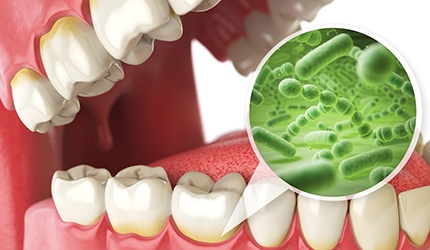
Gum disease is one of the most common oral health problems in the nation. In fact, the Centers for Disease Control and Prevention estimates that one out of every two adults in the country faces this dental concern. As bacteria accumulate within the pockets of the gums and along the gumline, an infection will develop that can lead to gum recession and cause the erosion of the supportive bone that hold the teeth in place. While the earliest stage of gum disease, called gingivitis, can be reversed, the later stage of the disease, called periodontitis, can be managed to prevent tooth loss and oral decline.
Symptoms of Gum Disease
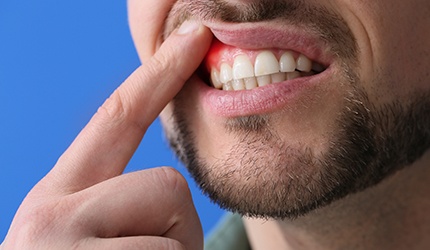
The symptoms of gum disease that you may experience can vary based on the stage that the infection is in. For example, if you have gingivitis, you may notice the following signs:
- Bleeding gums whenever you brush and floss your teeth
- Chronic bad breath
- Swollen, red, and puffy gums
- Tender gums
- Dental sensitivity
If the infection has progressed to its later stage, periodontitis, you may notice the following symptoms:
- Pain or discomfort while chewing
- Gum recession that makes teeth appear longer
- A change in bite
- Loose permanent teeth
- Visible plaque and tartar build-up along the gumline
- Small black triangles that develop between the teeth
Please discuss any of these symptoms with Dr. Najjar or Dr. Le at your routine checkups and cleanings. If you come in every six months for professional cleanings, our team should be able to stop the progression of the disease and help you maintain good oral health.
How Do We Treat Gum Disease?
Depending on what we examine during your checkup and the symptoms you’re experiencing, our caring dentists in DeSoto may recommend one or more of the following treatment options:
Scaling & Root Planing
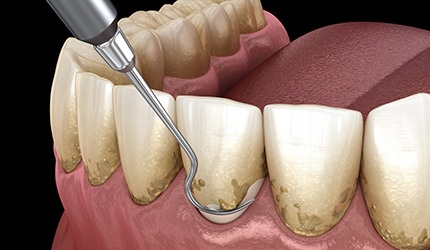
Scaling and root planing is a two-step process used in the beginning stages of periodontal disease to prevent it from worsening. First, we will clear away the plaque and tartar from above and below your gumline to control the accumulation of harmful oral bacteria. This will help restore the health of your gum tissues and alleviate common symptoms such as inflammation and tenderness. Next, we’ll smooth out the roots of your teeth, allowing your gums to healthily reattach to them.
Do I Need Scaling & Root Planing?

If you are exhibiting signs of gum disease such as receding, red, swollen, or bleeding gums, excessive plaque buildup, or chronic bad breath, your dentist may recommend a deep cleaning. Fortunately, some of the earliest stages of gum disease can often be remedied by good at-home oral hygiene; however, if the condition has progressed, scaling and root planing may be necessary to prevent it from getting worse.
The Process of Scaling & Root Planing

Typically, scaling and root planing takes place over the course of two appointments:
- First – Your dental team will use a scaler to remove all plaque and tartar from the surface of your teeth, reaching as far down as the pockets of your gums.
- Second- During the planing portion of this procedure, your dentist will remove any hardened bacterial deposits on the roots of your teeth that are hidden below the gumline. This will help prevent further infection by keeping oral bacteria from recolonizing in your gums.
Aftercare Tips for Scaling & Root Planing
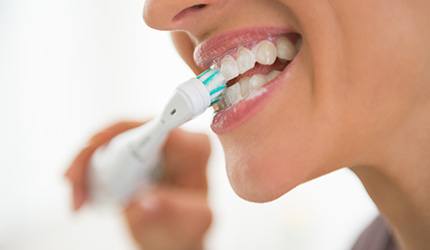
Because scaling and root planing can be an intensive treatment, it can take a few weeks for your teeth and gums to fully recover. You may experience some increased sensitivity and discomfort as a natural part of the healing process. Some general aftercare tips for this treatment include:
- Rinse your gums with warm saltwater after each meal to prevent irritation and help loosen food debris from around your teeth. This will make flossing and brushing easier. To make the saltwater, use ¼ teaspoon salt for eight ounces of water.
- Brush your teeth gently and never use a hard-bristled toothbrush (soft only). Instead of brushing back and forth, brush in small, circular motions and move slowly to avoid worsening discomfort throughout the healing process.
- Your teeth and gums may be sensitive to certain foods and beverages after this treatment, so avoid anything hot or spicy, as well as alcohol and acidic drinks as they could cause inflammation and irritation. Furthermore, avoid smoking or using tobacco products.
- Eat a soft diet for the first 48 hours.
- Avoid any intensive physical activity directly after your procedure to avoid prolonging the healing process.
Laser Periodontal Treatment
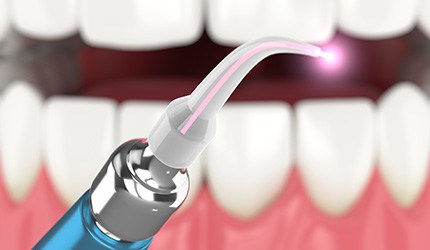
We always strive to bring our patients the best care possible, and that means taking full advantage of the latest dental technology. As such, we are proud to offer laser periodontal treatment as an effective, minimally invasive solution for gum disease. With our state-of-the-art soft tissue laser, we can gently remove your infected gum tissue while keeping bleeding and discomfort to a minimum.
How Laser Periodontal Treatment Works
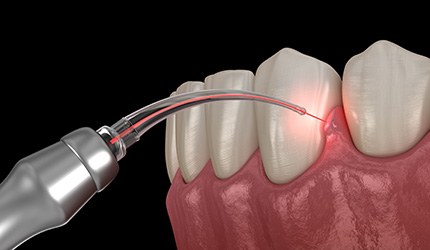
Laser periodontal treatment is often performed in combination with scaling and root planing. The procedure involves using a highly concentrated beam of light to remove any gum tissue that has become inflamed. The laser is very precise, allowing us to specifically target the infected tissue while leaving the healthy tissue alone. On top of that, the energy from the laser can help kill the bacteria that are contributing to your gum disease.
The Benefits of Laser Periodontal Treatment

There are several reasons why laser periodontal treatment is becoming an increasingly common way to address gum disease:
- The laser can cauterize exposed blood vessels immediately, resulting in significantly less swelling and bleeding at the end of the procedure.
- Compared to traditional dental instruments, a soft-tissue laser is much gentler and will cause less discomfort.
- It’s possible to keep more of your healthy tissue intact thanks to the precision of the laser.
- It takes less time for your mouth to heal after a procedure involving a soft-tissue laser, and there are no sutures to worry about.
- By sterilizing the treated area, laser periodontal treatment can go a long way toward lowering the risk of future infections occurring.
Aftercare Tips for Laser Periodontal Treatment

It often takes around a week to fully recover from laser periodontal treatment. Until then, you may notice some slight swelling or sensitivity. If you need help keeping your discomfort under control while your mouth is healing, try taking ibuprofen or a similar type of over-the-counter pain reliever.
It’s generally recommended that you stay away from certain foods while your gums are still sensitive. You should plan to avoid anything that’s especially cold, hot, or spicy.
In order to prevent an infection, you need to practice excellent oral hygiene in the days following your laser periodontal treatment. This naturally involves brushing two times a day and flossing daily. Be gentle while cleaning around the area that was treated.
We may ask you to come into our office for a follow-up visit after your laser periodontal treatment. This appointment will give us the chance to make sure that your mouth is healing as expected.
Your discomfort should eventually fade away on its own. If it lasts longer than expected or seems to be getting worse, call our office immediately. Our team will need to take a look at your mouth to figure out what’s going on and what steps need to be taken.
Antibiotic Treatment

Arestin antibiotic treatment may be recommended to help continuously fight the infection at its source. These small microspheres are designed to gradually release antibiotics over the course of two weeks. Our team will place them in the pockets of the gums to help kill bacteria and keep the pockets from deepening. After the two weeks are over, our team will have you come in for a follow-up visit to assess the effectiveness of the therapy and help decide next steps.